New Living Space Within the Existing Structure – From Concept to Completion
Living in the city skyline
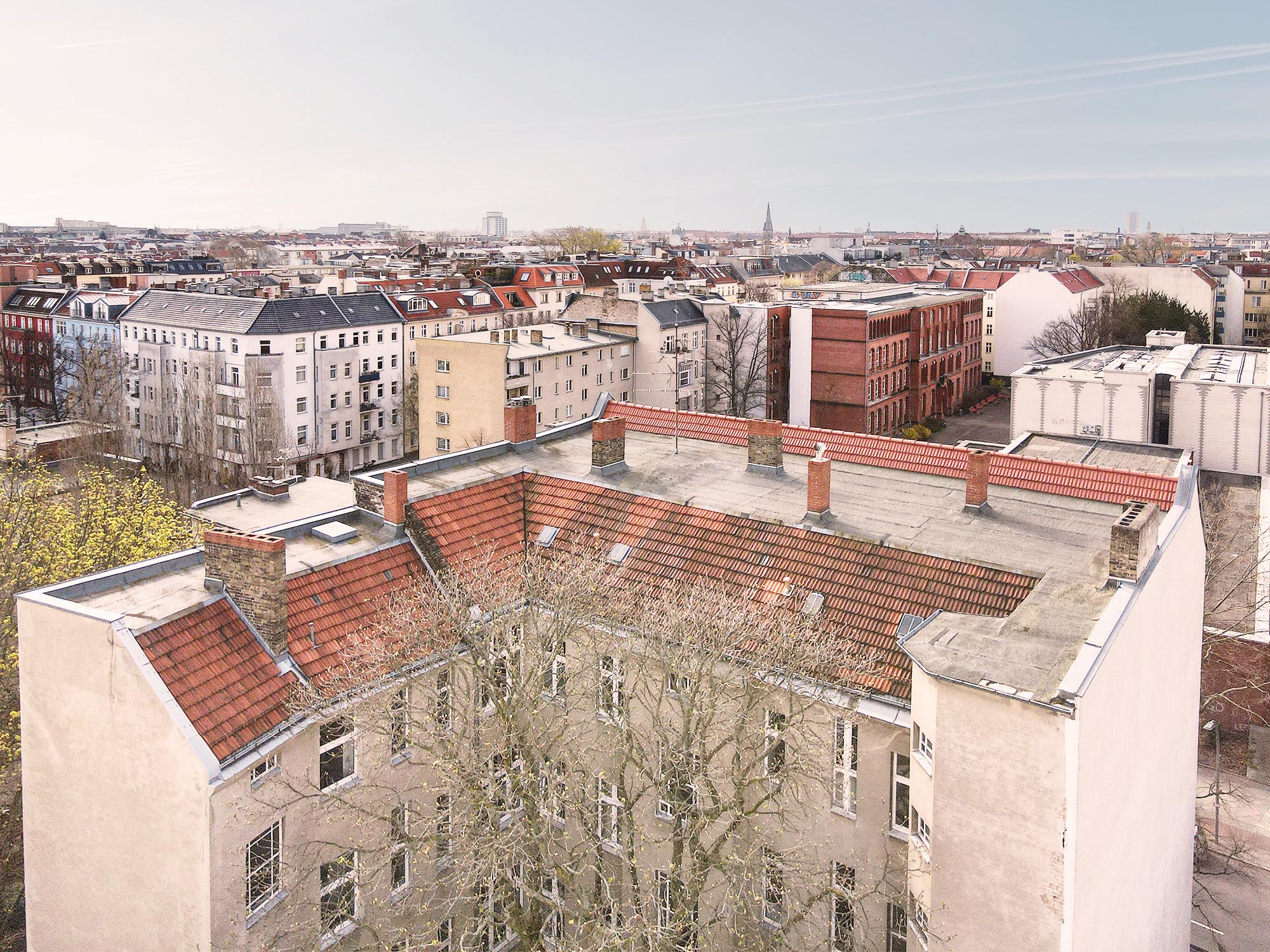
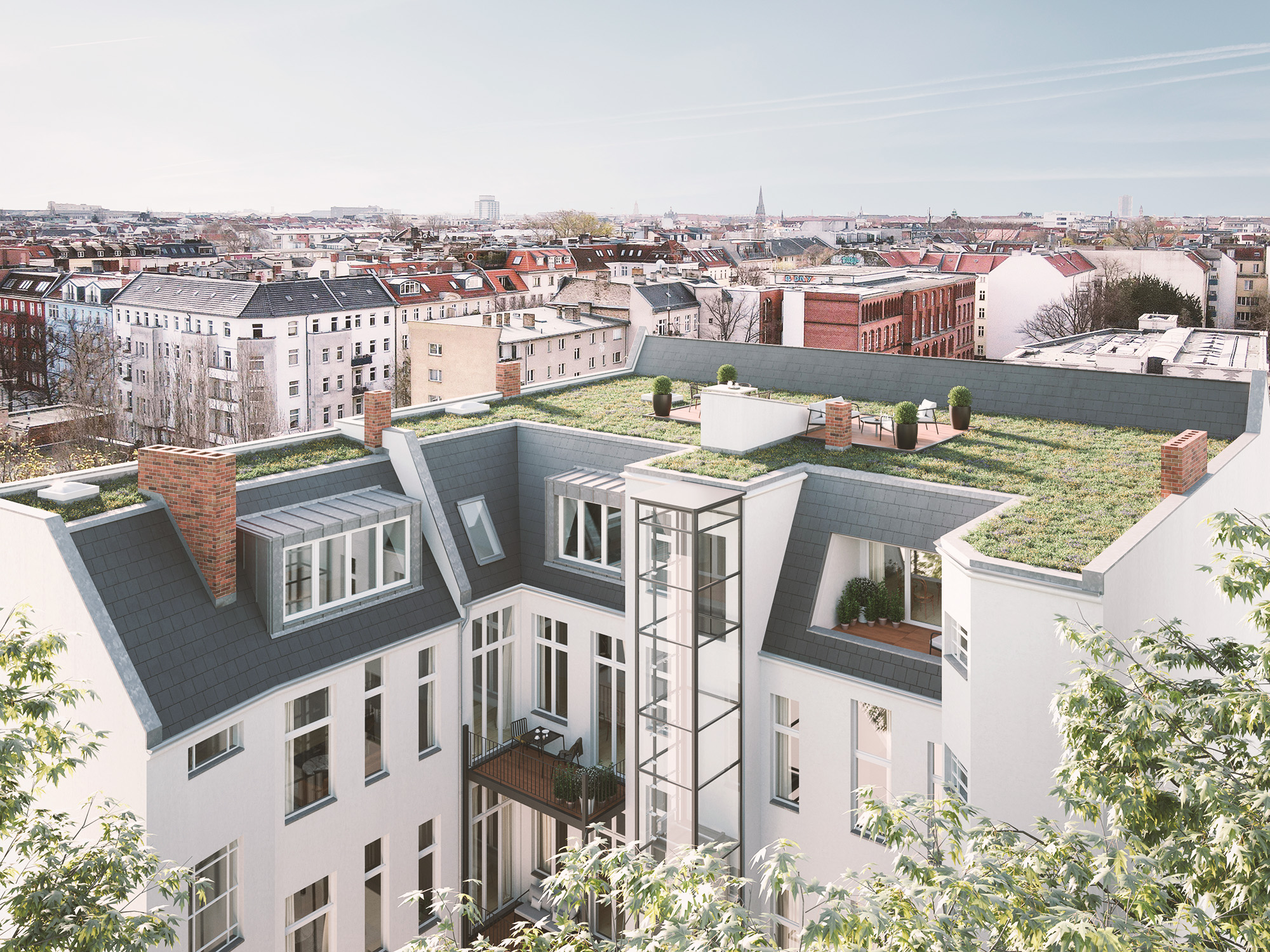
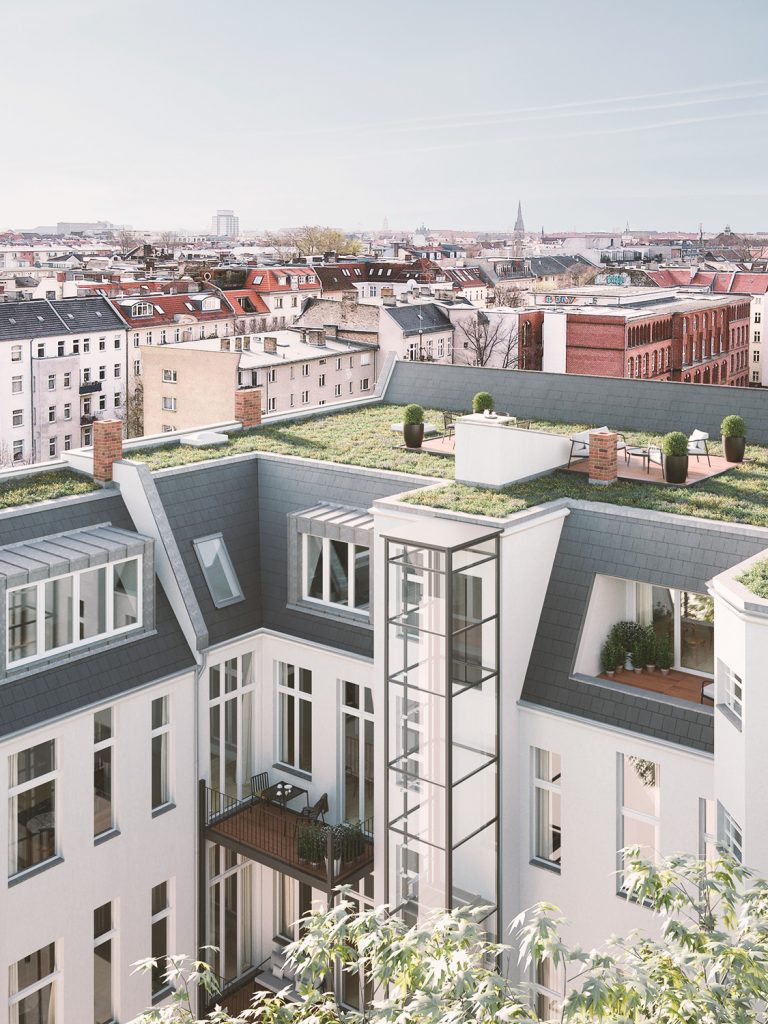
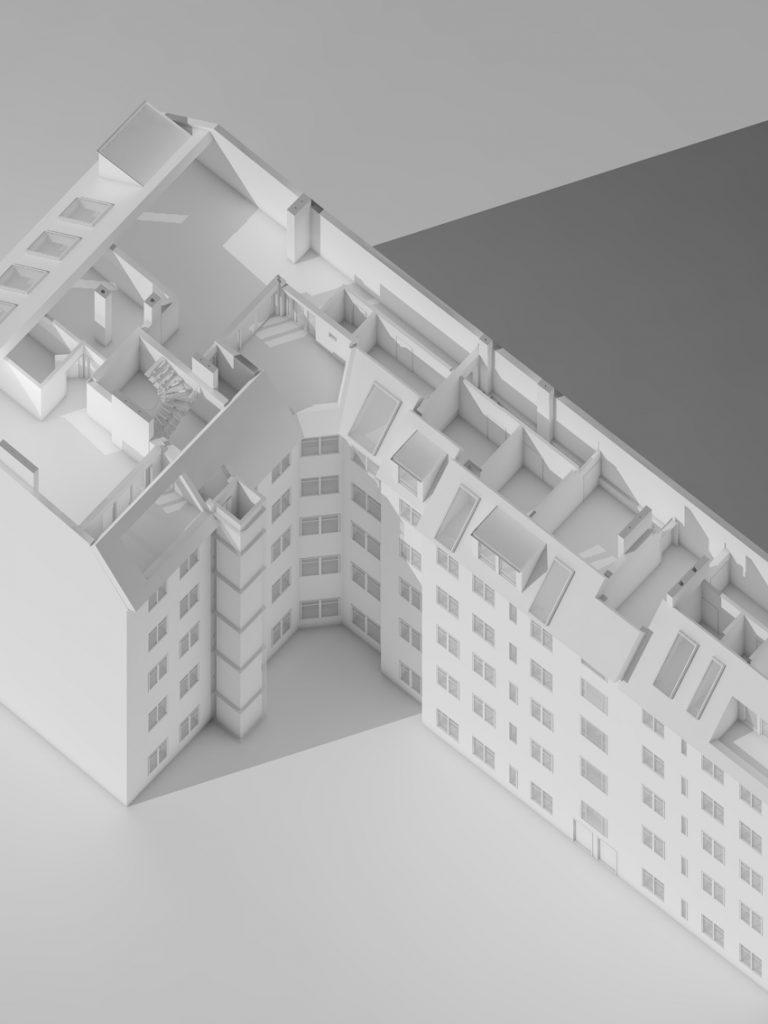
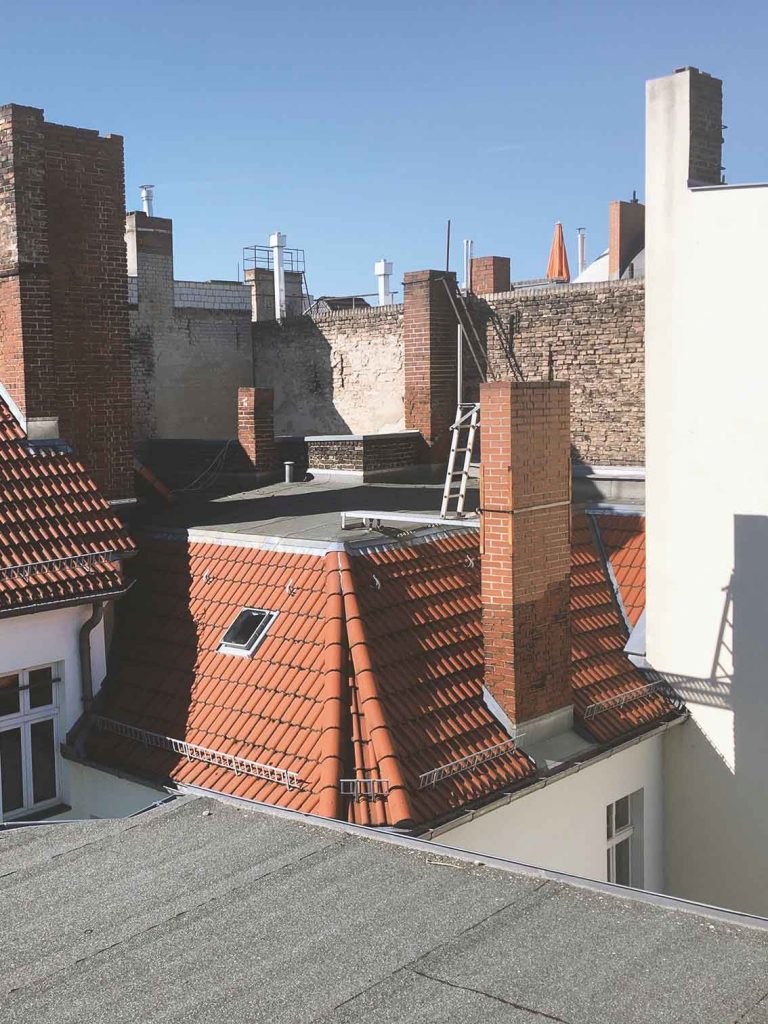
An attic conversion in a city like Berlin offers a rare opportunity to realise new residential space in the very heart of the urban fabric. Above the existing building, a living environment emerges that differs fundamentally from conventional apartments: filled with light and openness, conceived as a private retreat elevated above the rhythm of urban life. The distance from street level, panoramic views across the city, and the freedom in spatial planning create qualities that have become increasingly rare in dense inner-city housing.
What should be considered when converting an attic?
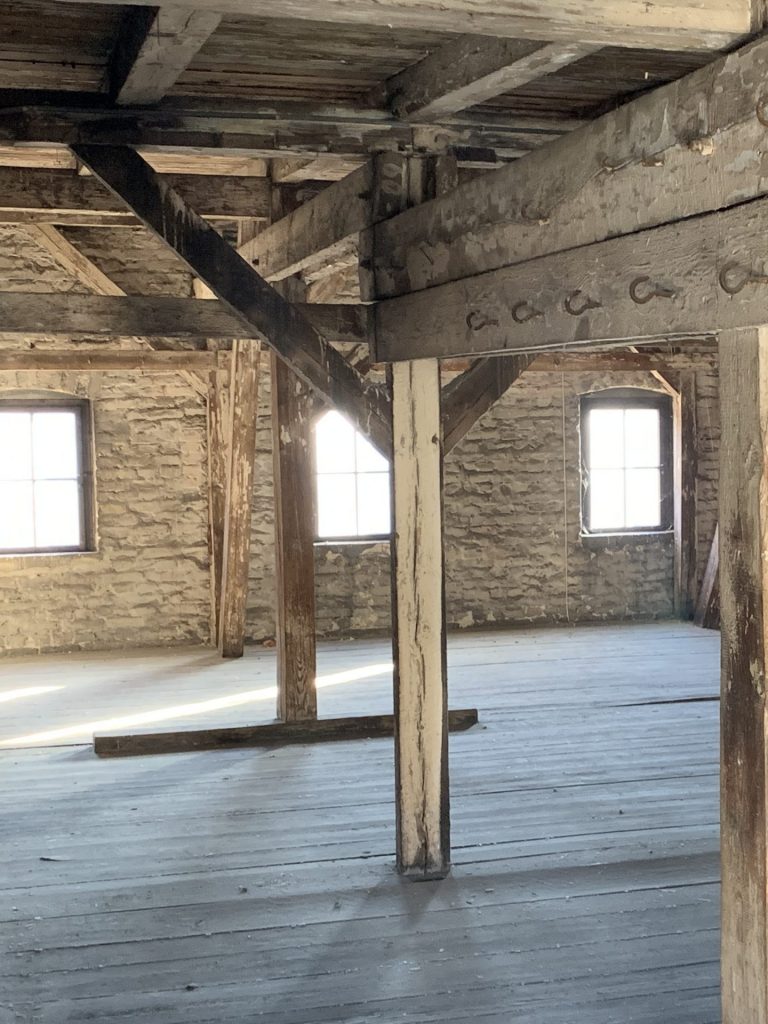
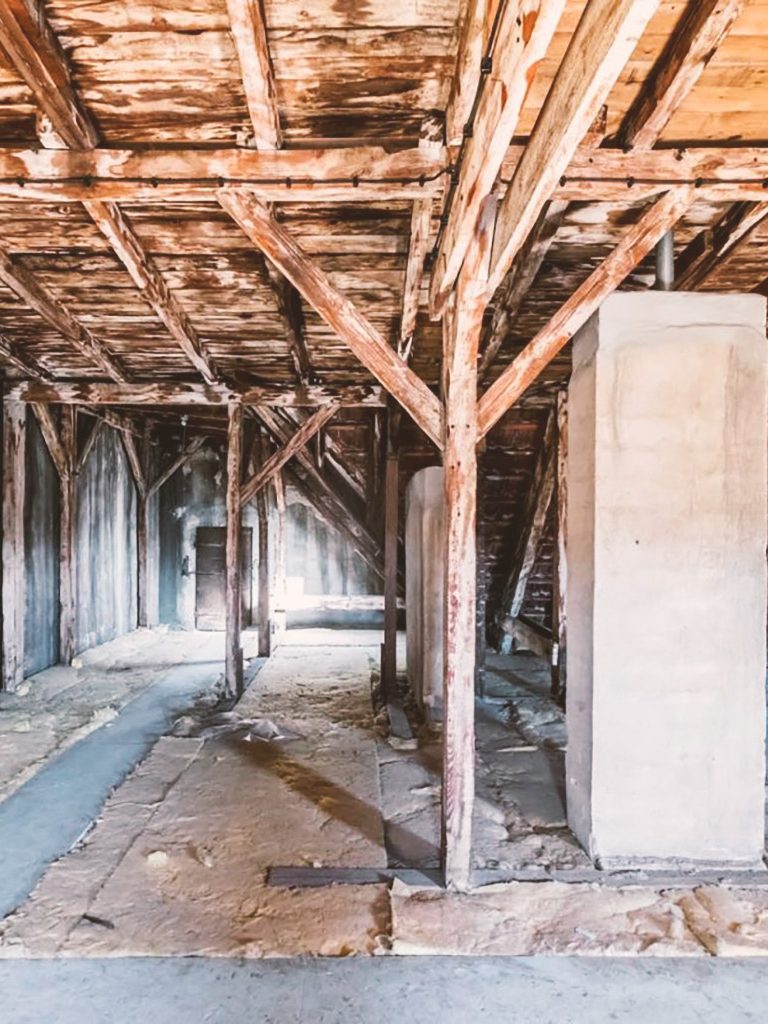
Anyone purchasing an unfinished attic space today or considering a conversion is consciously choosing a form of living with distinct character and long-term value. At the same time, an attic conversion is a demanding construction project. It bridges existing structure and new construction, requiring precise planning, a strong understanding of structural systems, building regulations, and technical requirements — as well as a clear architectural vision. It is precisely this complexity that distinguishes a simple refurbishment from a true new build within an existing structure.
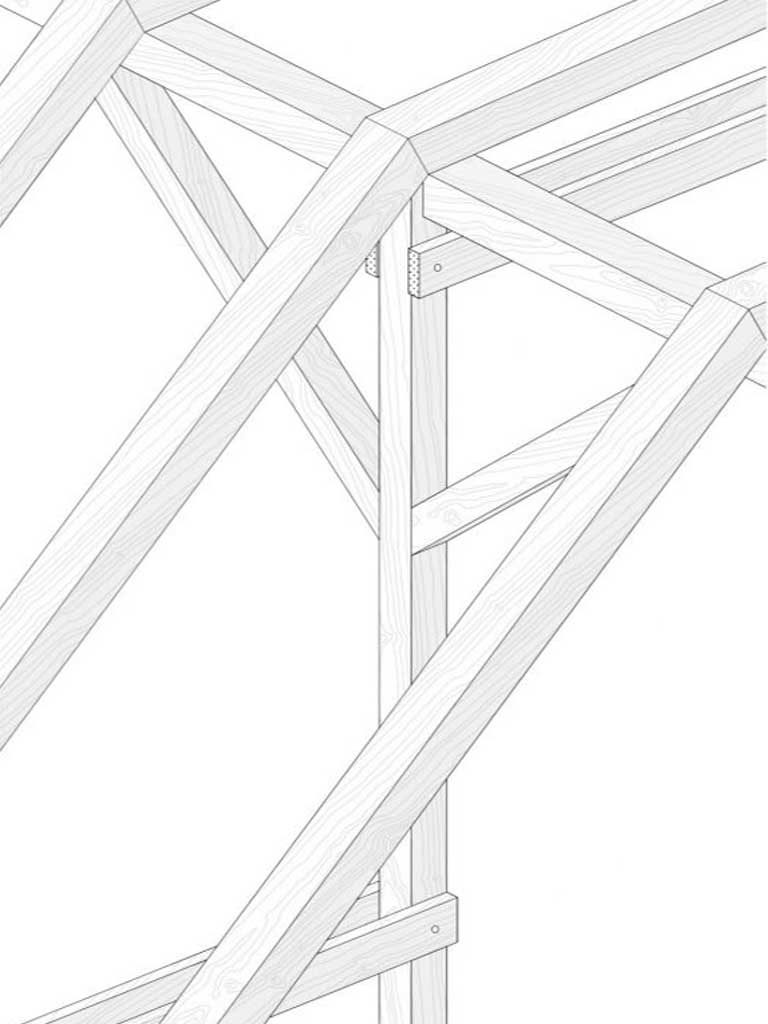
There are minimum height requirements for renovated attic apartments that determine how much of the existing roof structure can remain. Rooms beneath pitched roofs must have a minimum height of 2.3 meters across at least half of their floor area. This may mean, for example, that the roof structure needs to be raised and new beams installed.
The necessary measures vary from building to building, and associated costs can only be estimated after a thorough assessment of the existing structure. According to the Berlin Building Code, a second means of escape must be provided. This does not necessarily require the construction of a new staircase. In many cases, a window accessible by fire brigade ladder can fulfill this requirement. During the planning process, the regulations set out in the Berlin Building Code are carefully considered, and creative architectural solutions are developed to integrate these requirements coherently into the overall design.
Another key consideration is whether construction work should be limited to the attic alone, or whether it may be advantageous to coordinate the project with a broader refurbishment of the existing building.
How much does a roof renovation cost?
We approach attic conversions as an architectural task, not as a standardized solution – guiding our clients from the initial feasibility study through planning and approval to final realisation. Our ambition is to uncover the unique spatial potential of each roof space and develop apartments distinguished by their proportions, natural light, materiality, and technical precision.
Based on our experience, total project costs for an attic conversion in Berlin typically range around €5,000 per square meter of living space. This figure reflects not only construction services, but also the planning, technical coordination, and regulatory expertise required to transform a roof space into sustainable, high-quality living accommodation.
A reliable cost assessment is always project-specific. Within the planning process, we provide transparent and comprehensible cost calculations in accordance with DIN 276.
How long does a roof renovation take?
6–8 months for planning approval, and at least 12 months for construction, depending on the size of the building, the availability of contractors, and the standard of execution.
What are the sources of finance for a roof renovation?
Partial modernization costs levy on rent (elevator, roof insulation, heating upgrades, whole-building modernization etc.), funded by tenants
What we do:
We regard attic conversions as an architectural endeavor rather than a standardized solution. Our aim is to unlock the unique spatial potential of each roof space and to develop apartments distinguished by their proportions, natural light, materiality, and technical precision. From the initial feasibility study through planning to final realisation, we accompany our clients at every stage of the process.